Retrofit or New Construction Windows in Older Riverside Homes
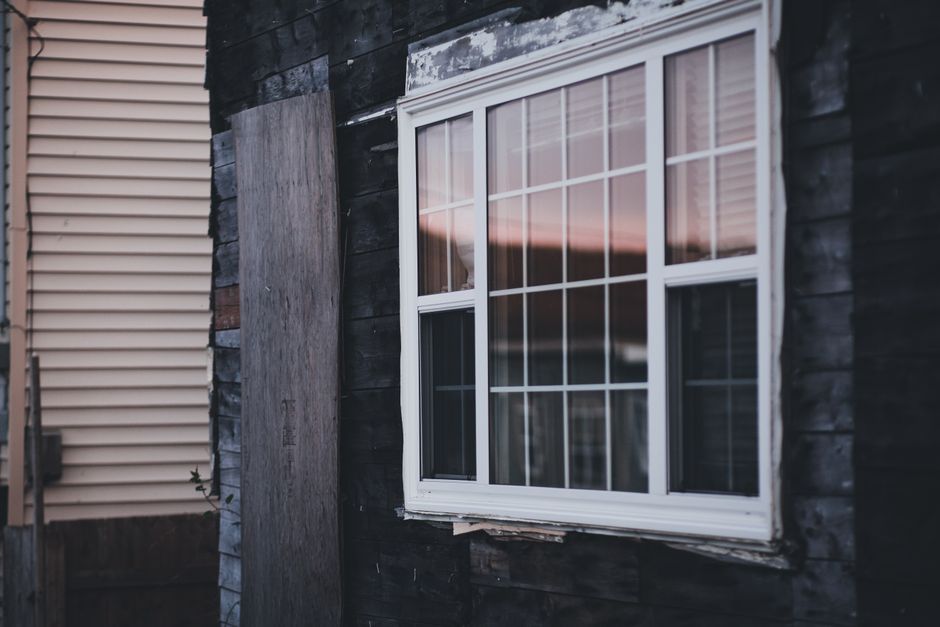
By the time the old sash is out and the pocket is open, the decision has already been made by what the frame behind it looks like. Window installation in Riverside, CA splits into two methods, and the notes at riverside window installation grevillea park treat the choice as a condition of the wall, not a preference.
What a retrofit insert keeps
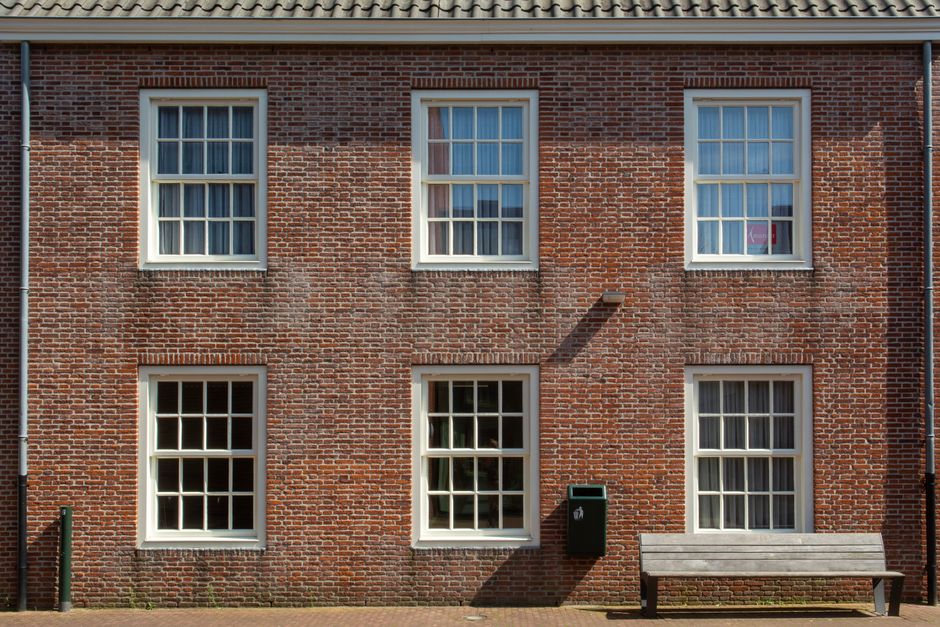
A retrofit insert fits inside the existing frame. The stucco, the trim and the old nailing fin stay where they are. It is cleaner, faster and leaves the exterior finish alone. The frame must be square, solid and dry, because the new unit is only as good as the old frame it sits in. An insert also gives up a little glass area, since the new frame sits inside the old one.
When the frame has to come out

A new construction style window with a nailing fin needs the wall opened. That means cutting the stucco back to the rough opening, checking the framing, and building the flashing in layers. It is the right call when the old frame is rotted, bowed or leaking, or when aluminum frames from a past remodel have pulled loose from the wall.
The housing era decides a lot
Older Riverside homes near the Mission Inn and in the older neighborhoods around the University of California Riverside often have wood frames, plaster interiors and thick stucco. Some have steel casement units. Mid century tract houses commonly have aluminum sliders in the original openings. Each type fails differently, and the era tells the installer what is likely behind the trim before anything comes off.
Checking the opening before choosing
A level and a long straightedge tell most of the story. A sill that slopes toward the house points to water damage. Soft wood at the bottom corners of a double hung opening points to rot. A screwdriver pushed into the sill takes ten seconds and settles the question. An opening well out of square leans toward a full replacement.
Weighing the two methods
An insert is the usual choice where the frame is sound, and it spares the finish on an older house. Full replacement is slower, but it leaves the wall opening known and flashed. A mixed job is common: inserts in the dry rooms, full replacement at the bathroom and the west wall where moisture and sun did the damage.